Miombo Projects

Project Portfolio
4
Total Project Hectares
675,000
Portfolio Project Countries
4
Select a country to learn more
Coming soon

Miombo Zambia Agroforestry

Large scale agroforestry system development, improving livelihoods through new revenue streams.

Project Location:
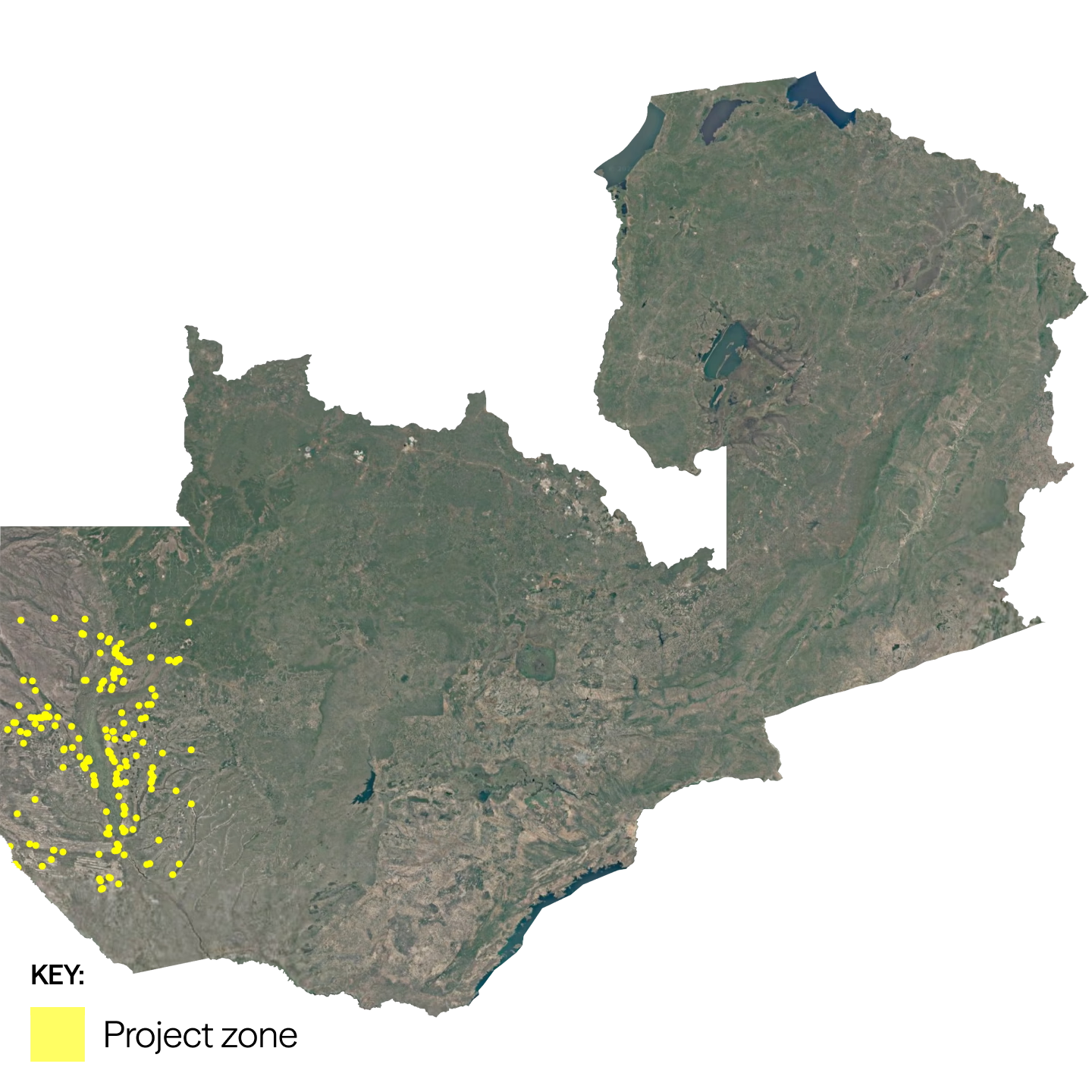
Western Province, Zambia
Primary Activity:
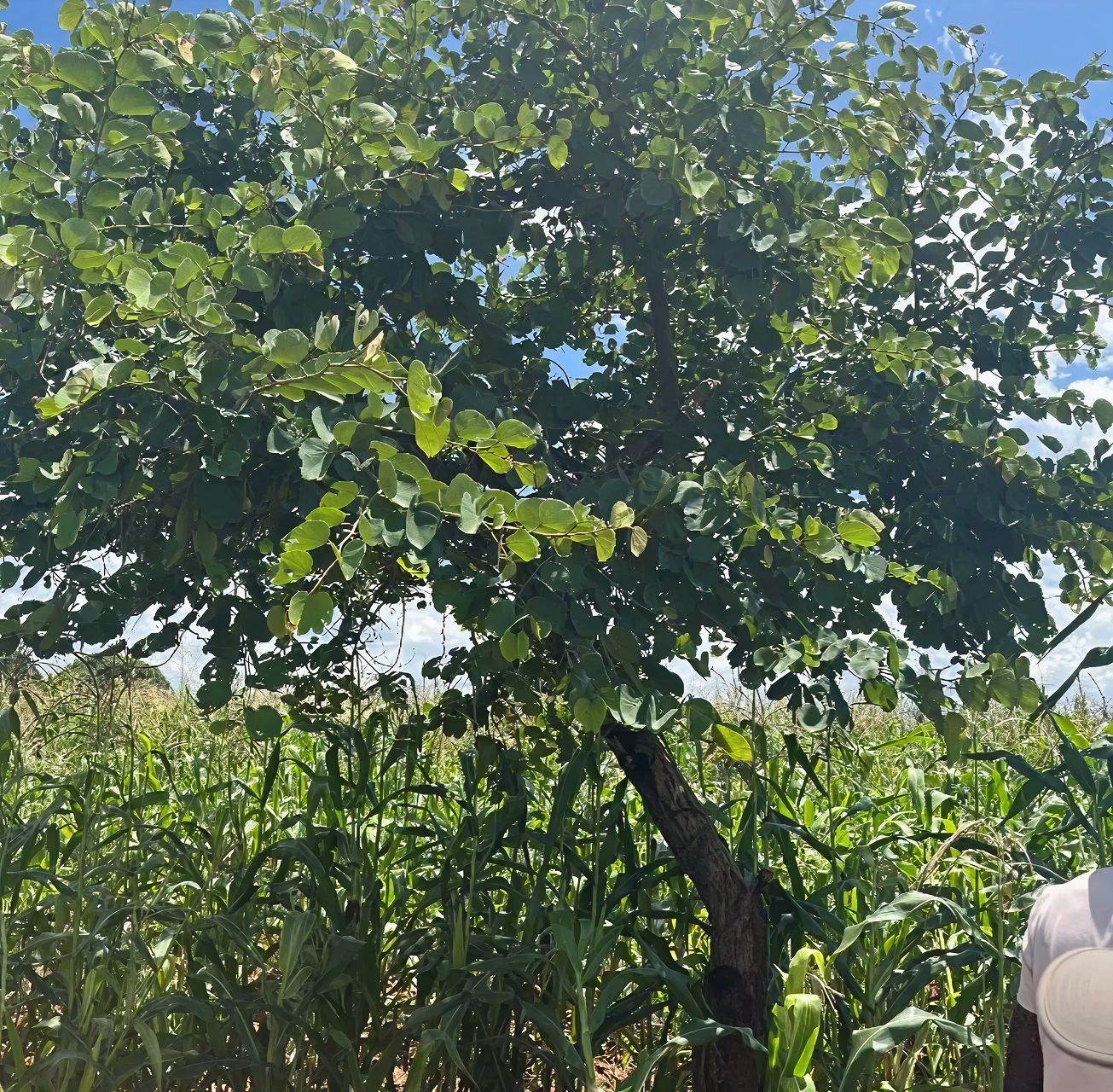
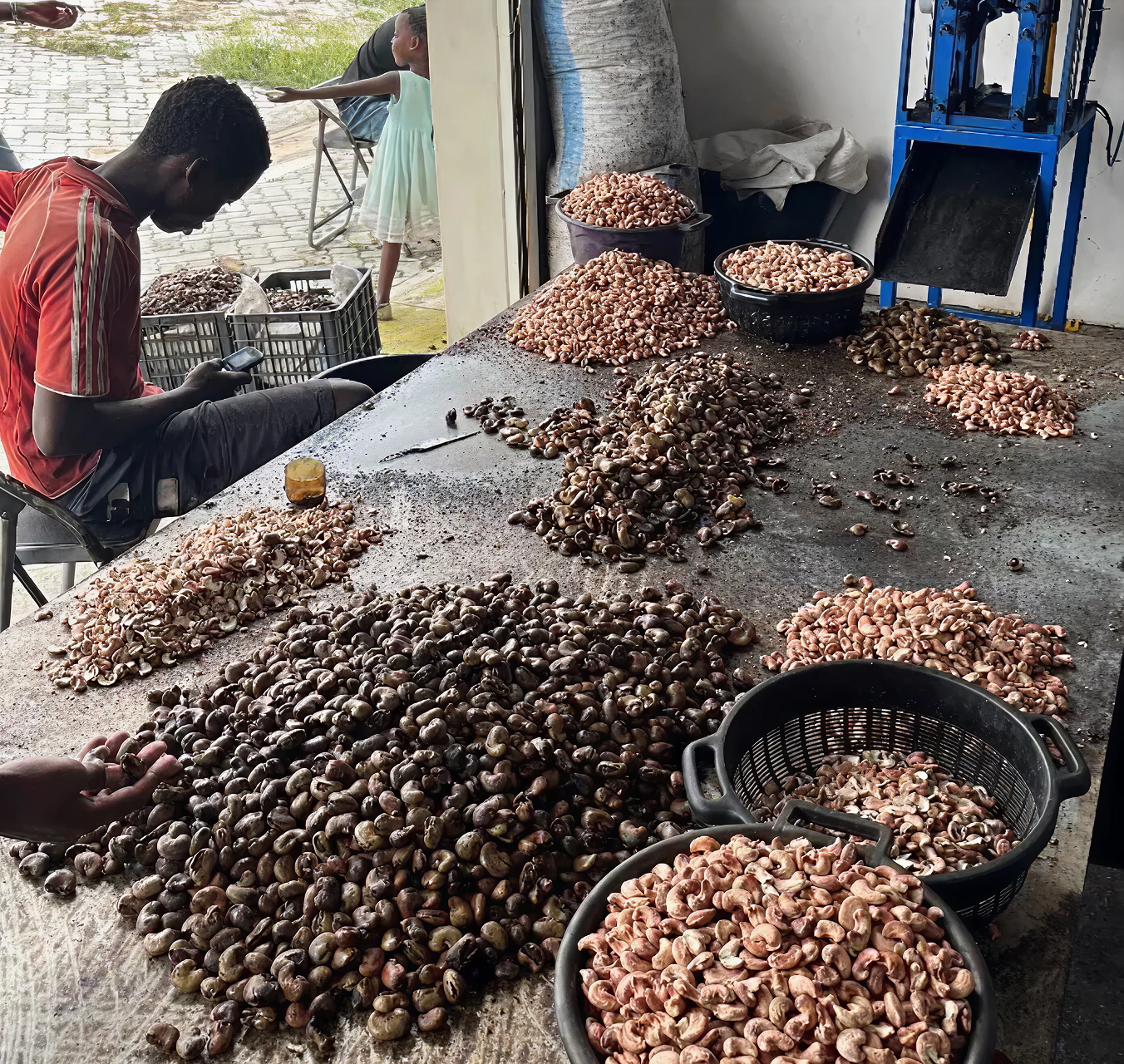
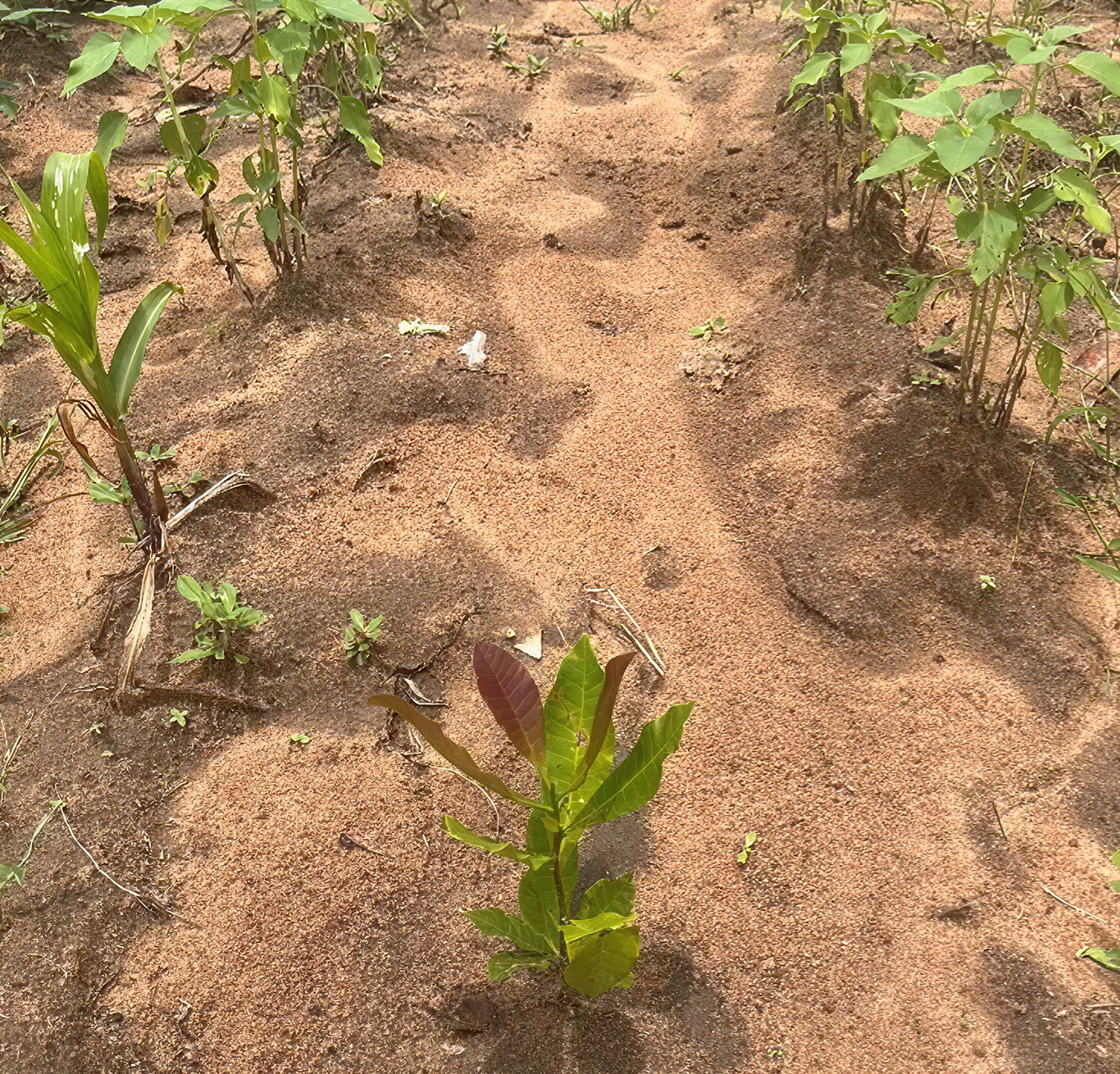
Intercropping of Cashew species through subsistence agricultural systems.
Species Planted:
Project Zone:
Project Area:
45,000 hectares
Methodology:
VM0047
Operating Partners:

ETG Climate Solutions
Core project principles:

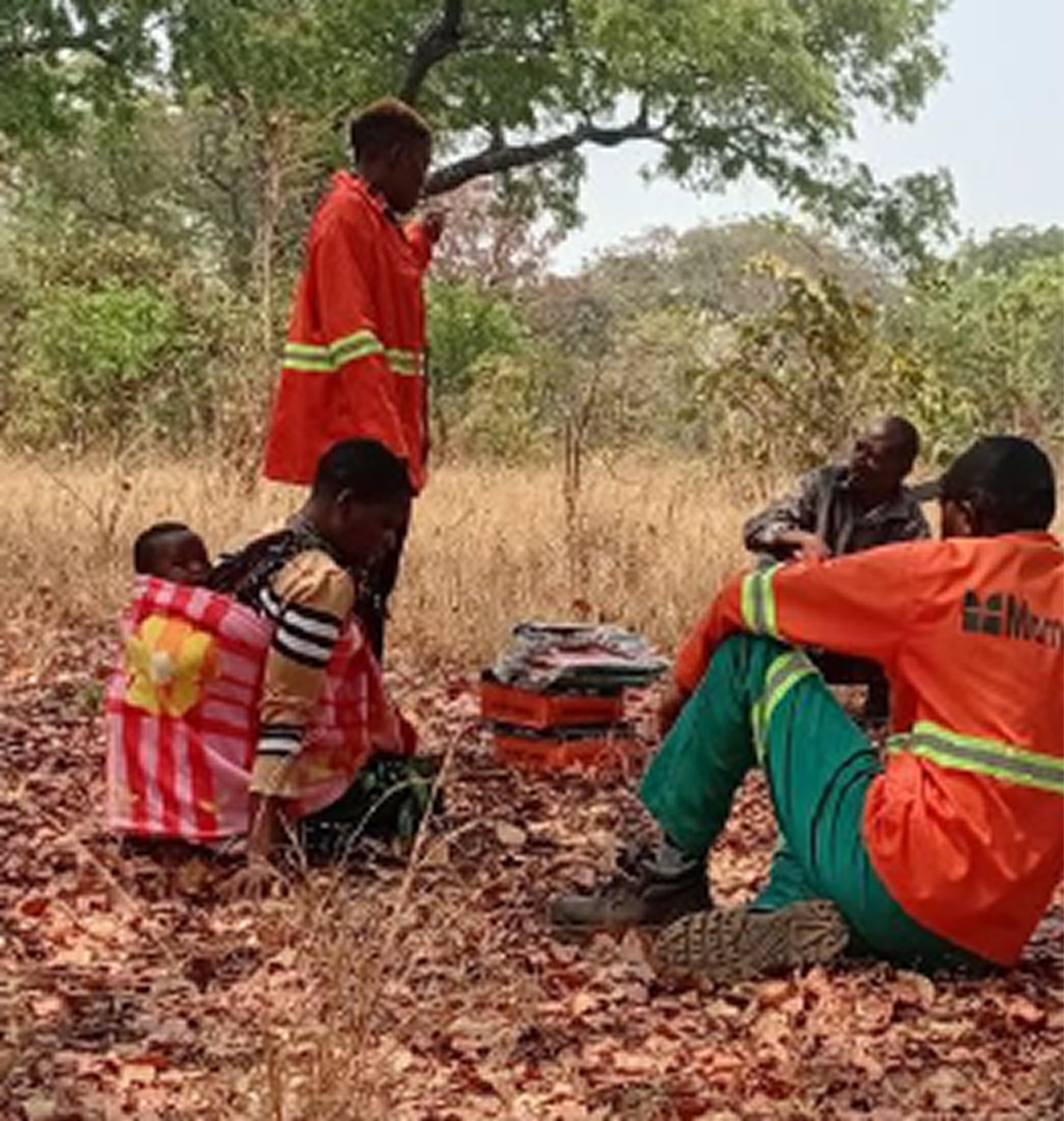
Creation of a new economic engine in an impoverished region, driven by agroforestry and carbon revenues.

Agricultural Revenue

Agricultural revenue benefit direct to farmers

100%

Estimated Farmer Enrolment

At full project scale, farmers enrolled in the Project

45k

Project Expansion Potential

Expansion potential of an additional

50k ha

Visualizing Degradation

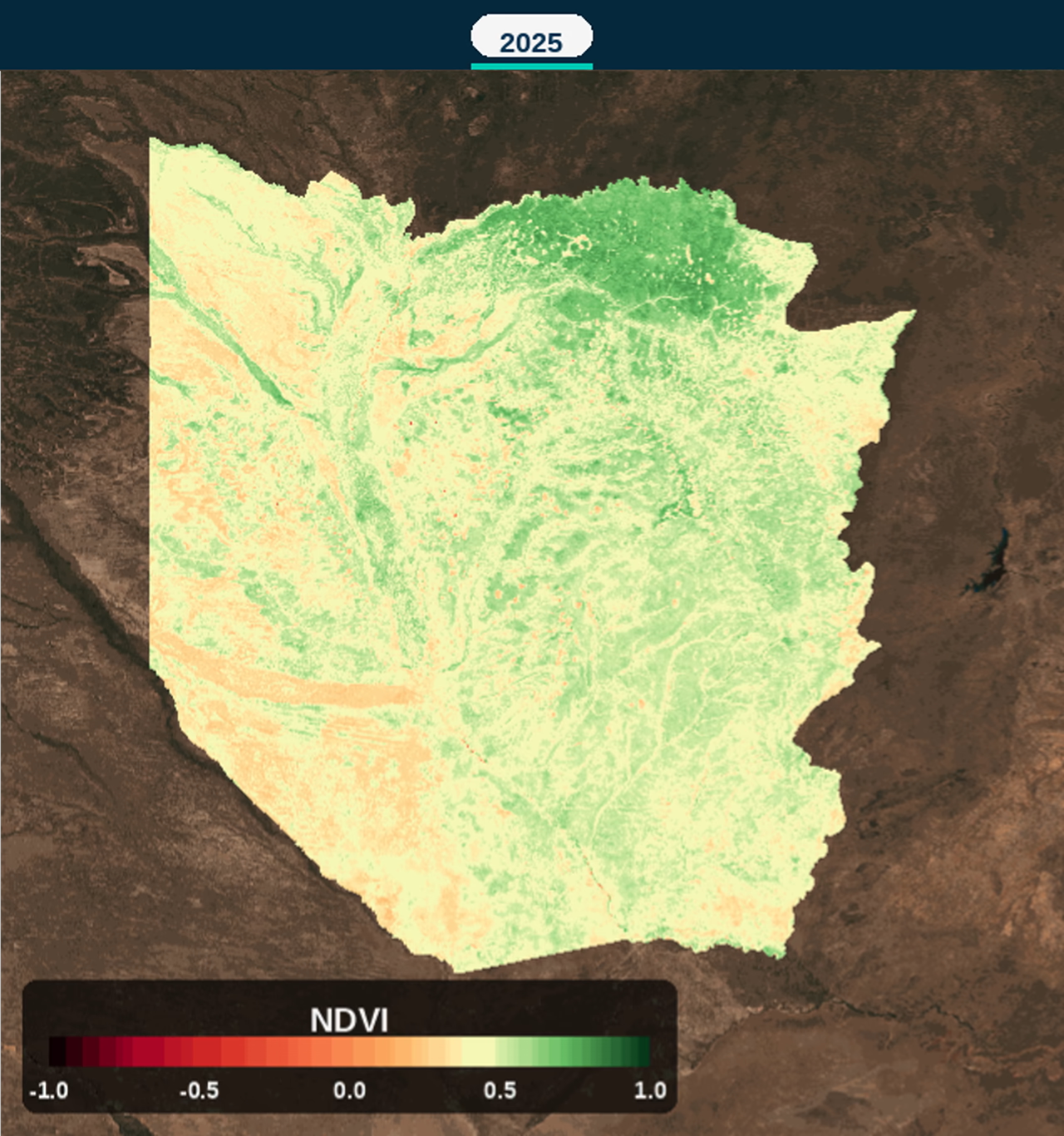
Historic degradation in the ecosystem has been driven by clearing, overgrazing, uncontrolled cutting of firewood, charcoal production, clearing of land for large scale agriculture, and bushfires.

The Normalized Difference Vegetation Index (NDVI) illustrates how vegetation health and density have evolved across the region. NDVI quantifies “vegetation greenness”, and low or negative values signal non-vegetated areas. The Alliance will target low NDVI areas.

Western Province, Zambia
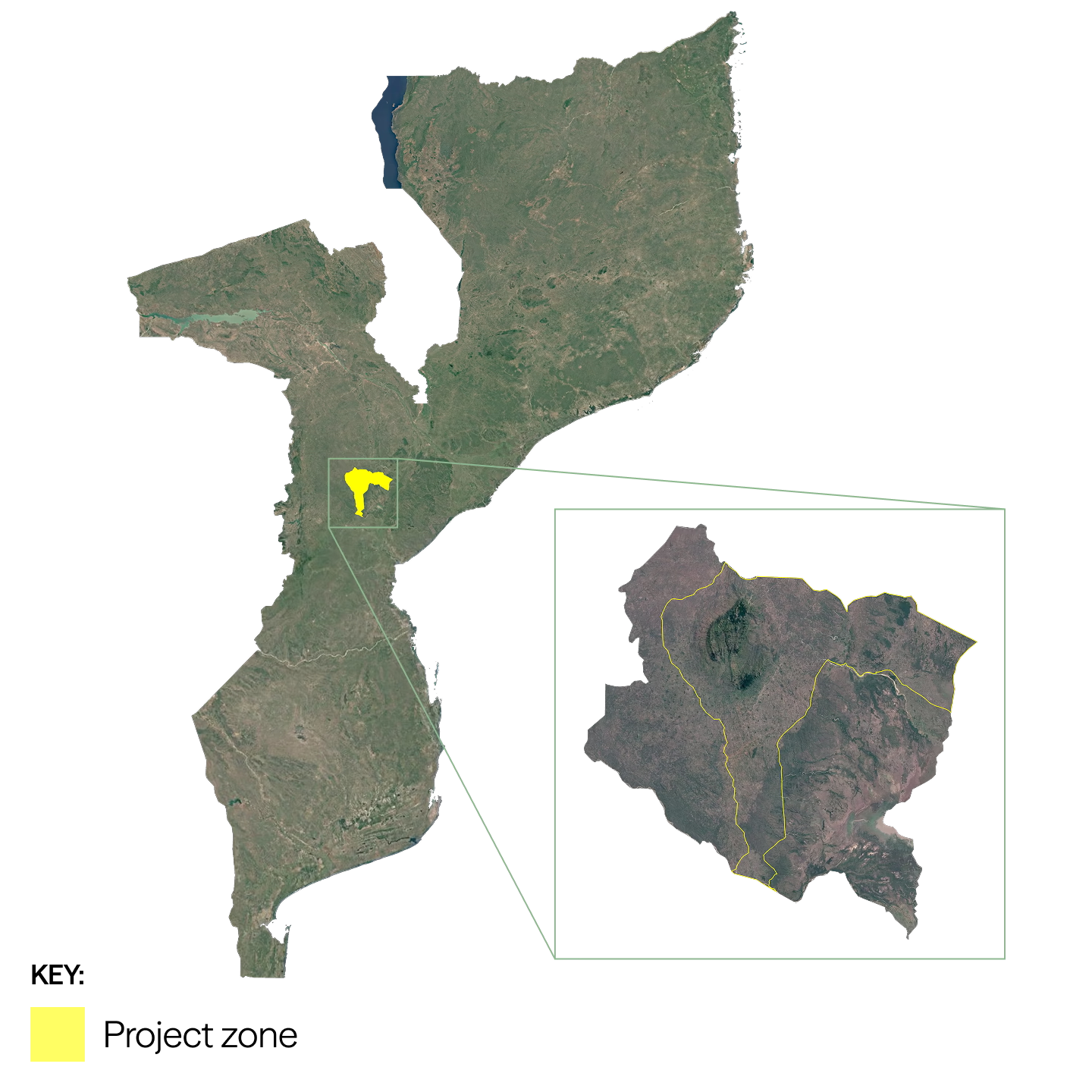
Miombo Mozambique Restoration

Revitalizing Gorongosa through large-scale nature restoration and diversification of local livelihoods

Project Location:
Sofala Province. Focus on Gorongosa National Park Buffer Zone
Primary Activity:
Species Planted:
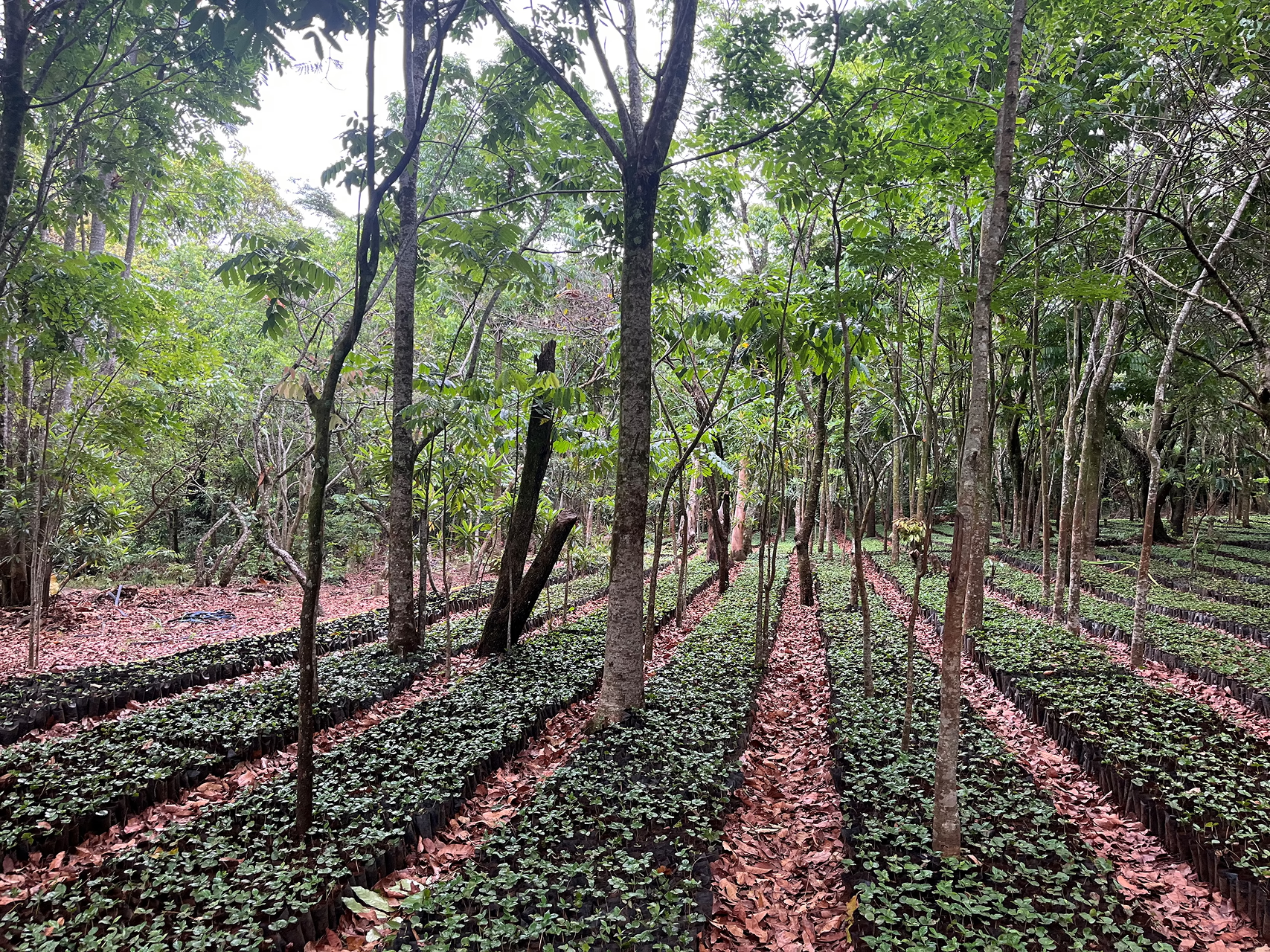
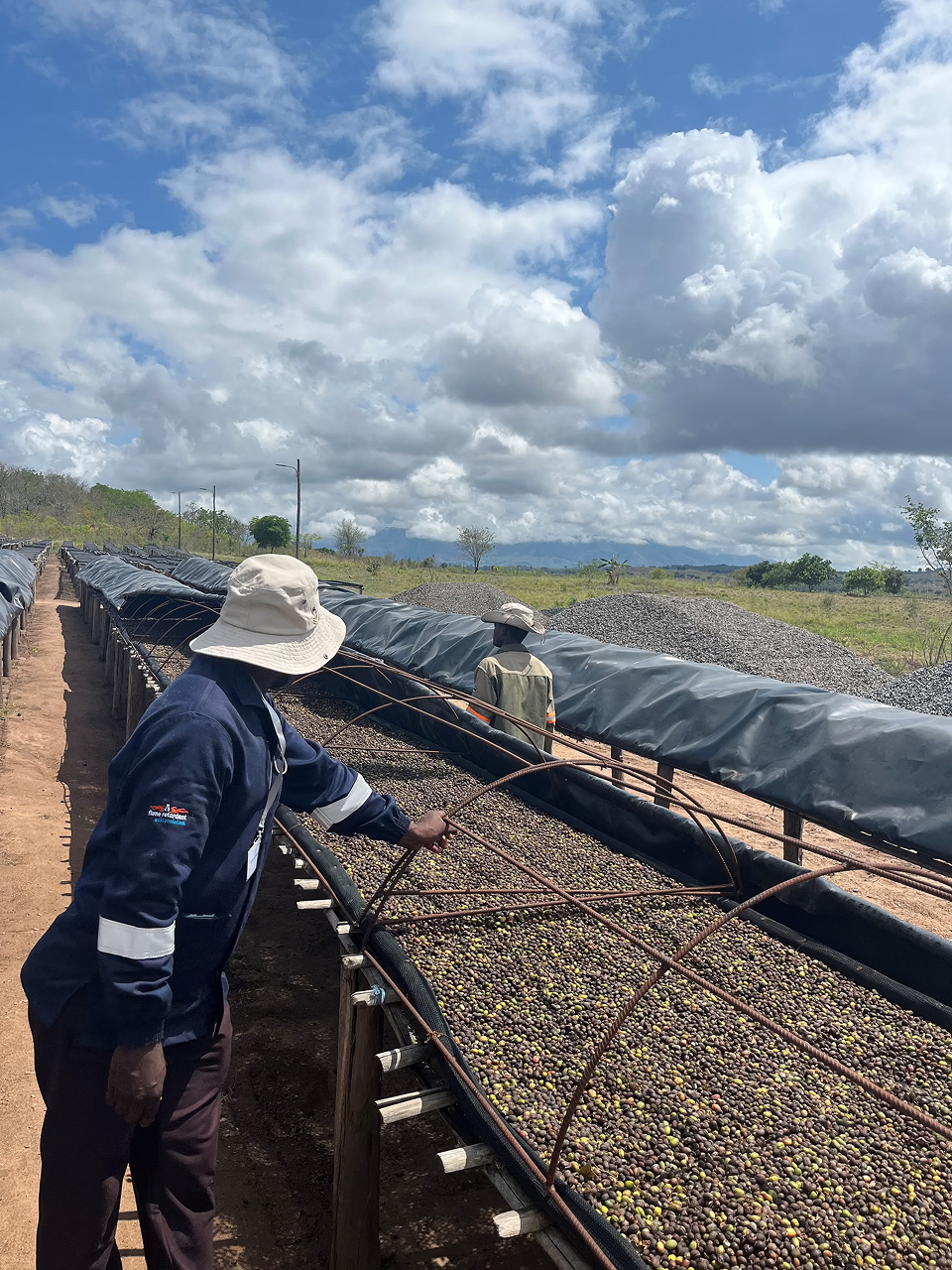
Assisted Natural Regeneration & Diversified Smallholder Agroforestry including Coffee and Cashew
Project Zone:
Project Area:
Up to 25,000 hectares
Methodology:
VM0047

Core project principles:

Uplifting local livelihoods to reduce deforestation pressure within the National Park Buffer Zone through:

Agroforestry

Community led agroforestry activities including coffee species, over

>5k ha

Agricultural Revenue

Agricultural revenue benefit direct to communities

100%

Project Expansion Potential

Expansion potential of an additional

50k ha

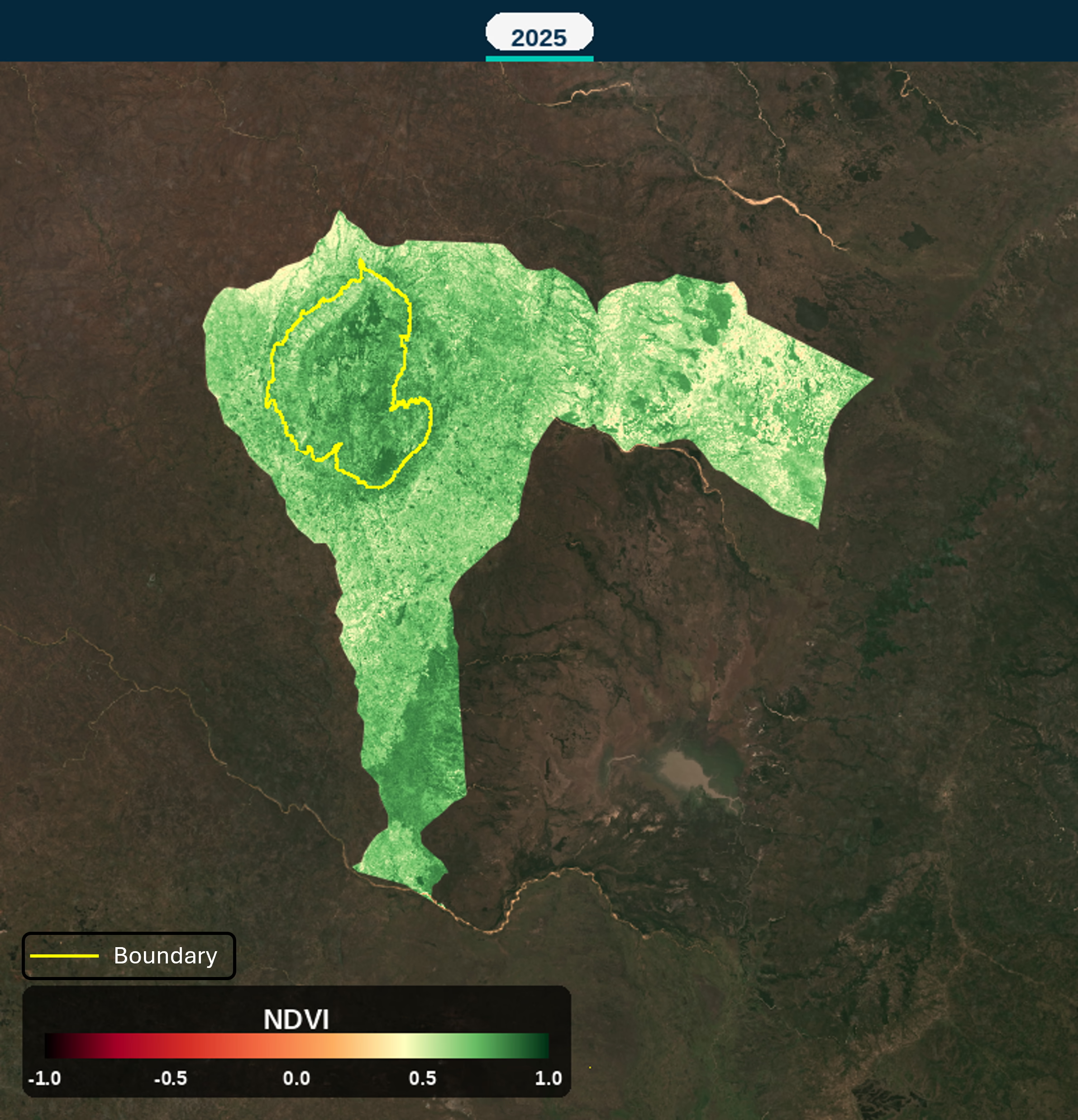
Visualizing Degradation

Degradation of Gorongosa National Park was severely exacerbated during Mozambique’s civil war (1977–1992), when large mammal populations declined by approximately 95%. Since then, the Gorongosa Restoration Project has restored wildlife and key ecological processes within the Park to near pre-war levels. By contrast, the surrounding Buffer Zone remains under widespread degradation, driven by post-war population growth, poverty, and limited livelihood options, and requires strengthened, human-centred restoration strategies.

The Normalized Difference Vegetation Index (NDVI) illustrates how vegetation health and density have evolved across the region. NDVI quantifies “vegetation greenness”, and low or negative values signal non-vegetated areas. The Alliance will target low NDVI areas.

Gorongosa District, Sofala Province, Mozambique

Miombo Malawi Restoration

Large scale landscape restoration through a mosaic of four forestry activities across 550,000 hectares.

Project Location:
Nationwide, Malawi
Primary Activity:
Assisted Natural Regeneration
Species Planted:
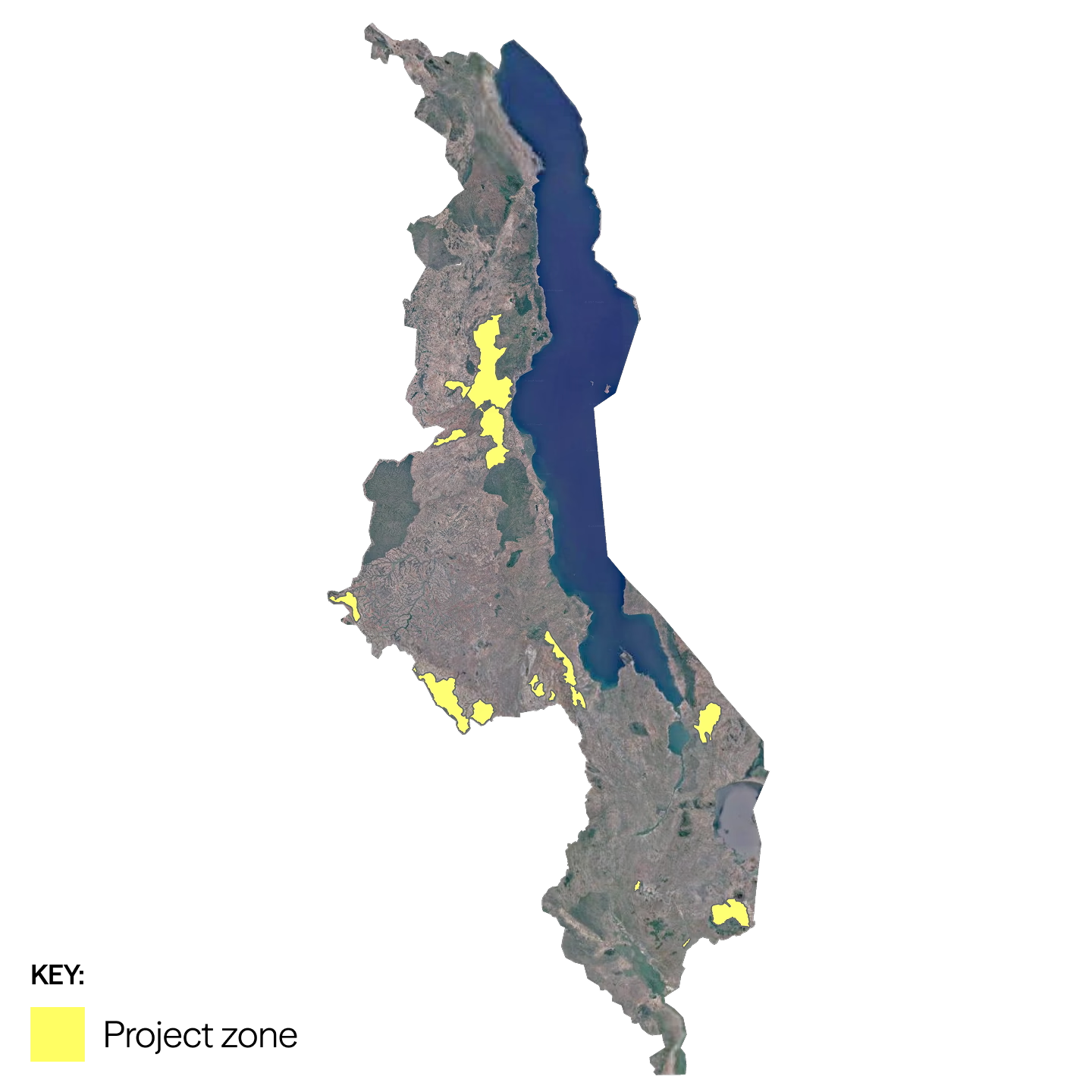
Project Zone:
550,000 hectares
Project Area:
256,000 hectares
Methodology:
VM0047
Operating Partners:

Mamaland

Core project principles:

Combatting charcoal production as the primary direct cause of Forest Reserve deforestation and degradation through an umbrella of forestry activities.

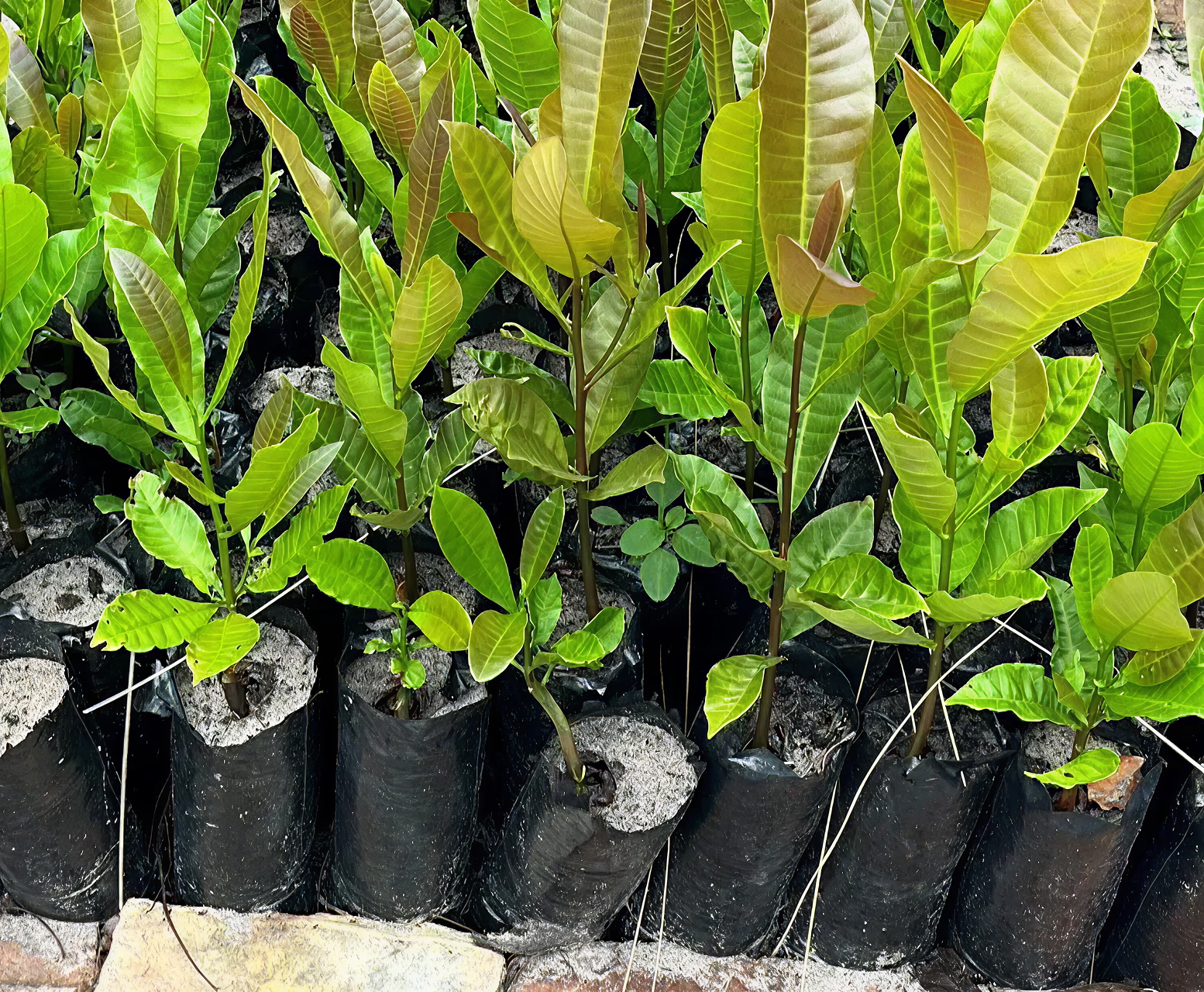
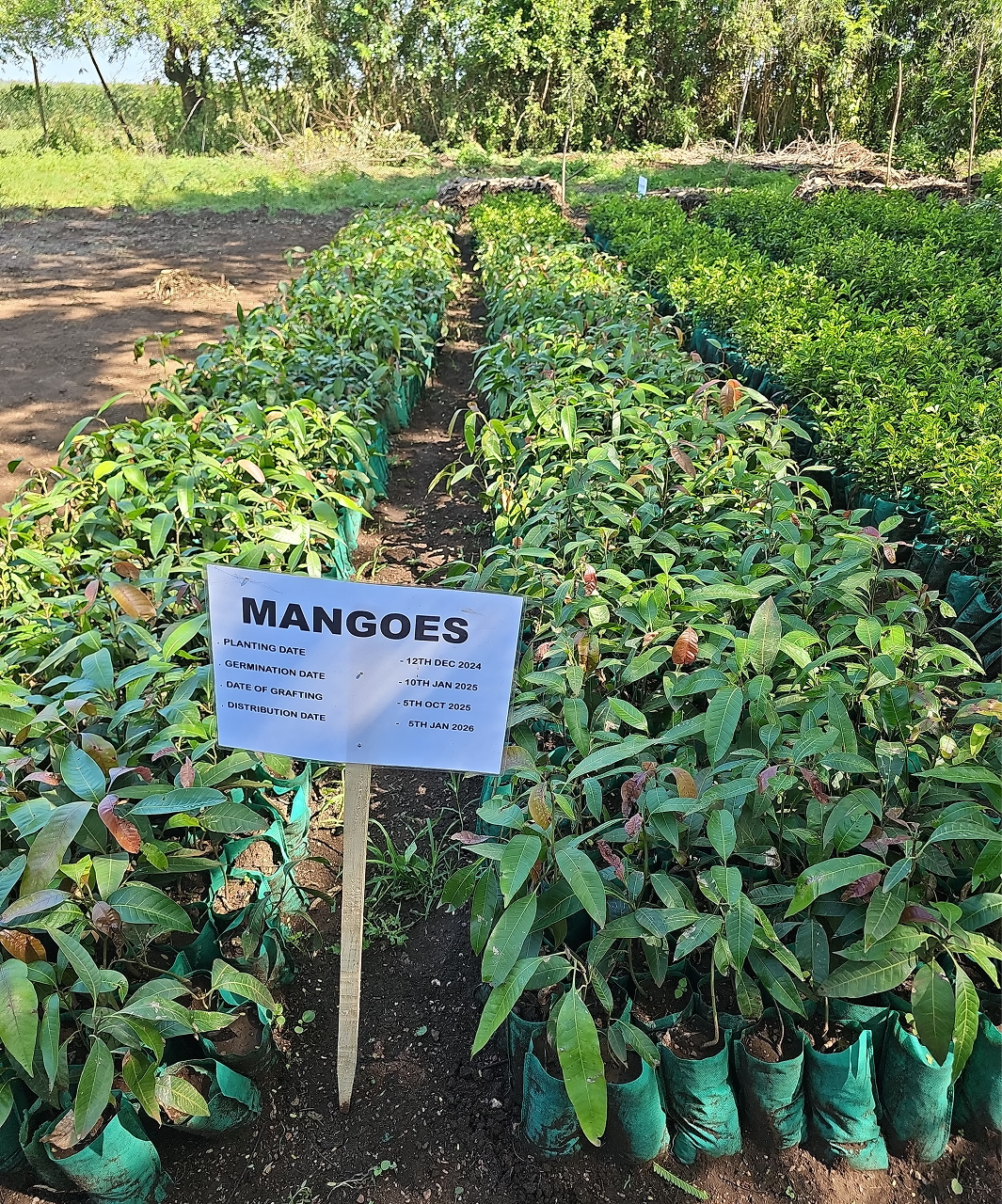
Africa's largest native species seedling nursery

Producing 11,000,000 seedlings per year:

11m

Community Agroforestry & Energetic Forestry Activities

Reducing charcoaling in the Project Area and providing additional farmer revenue streams

>15k ha

Community Seedling disbursement

20% of nursery capacity reserved for communities in the Project Zone

20%

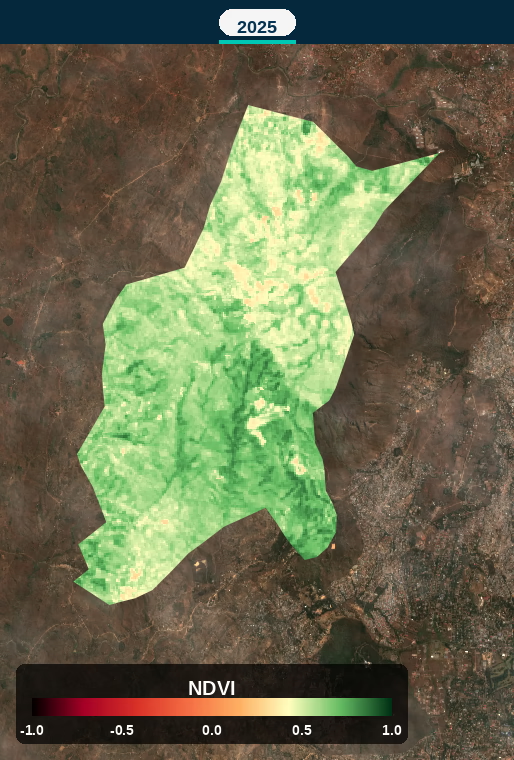
Visualizing Degradation

Historic degradation in Malawi has been driven by charcoal production, with 30,000 to 40,000 hectares of forested land annually lost for biomass and firewood extraction.

¹Chisale, H. L., Chirwa, P. W., Babalola, F. D., & Manda, S. O. (2021).

The Normalized Difference Vegetation Index (NDVI) illustrates how vegetation health and density have evolved across the region. NDVI quantifies “vegetation greenness”, and low or negative values signal non-vegetated areas. The Alliance will target low NDVI areas.

Michuru Forest Reserve, Southern Region, Malawi

Miombo Lake Victoria Agroforestry

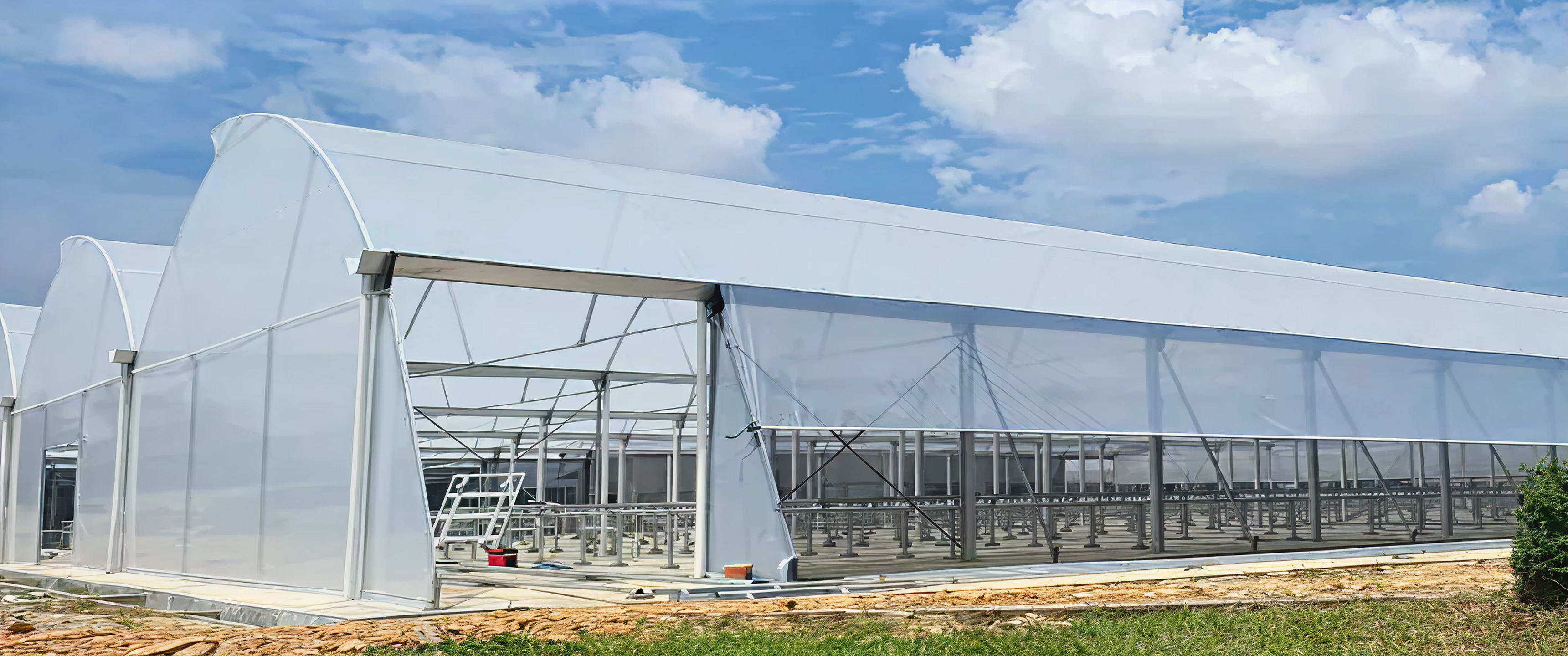
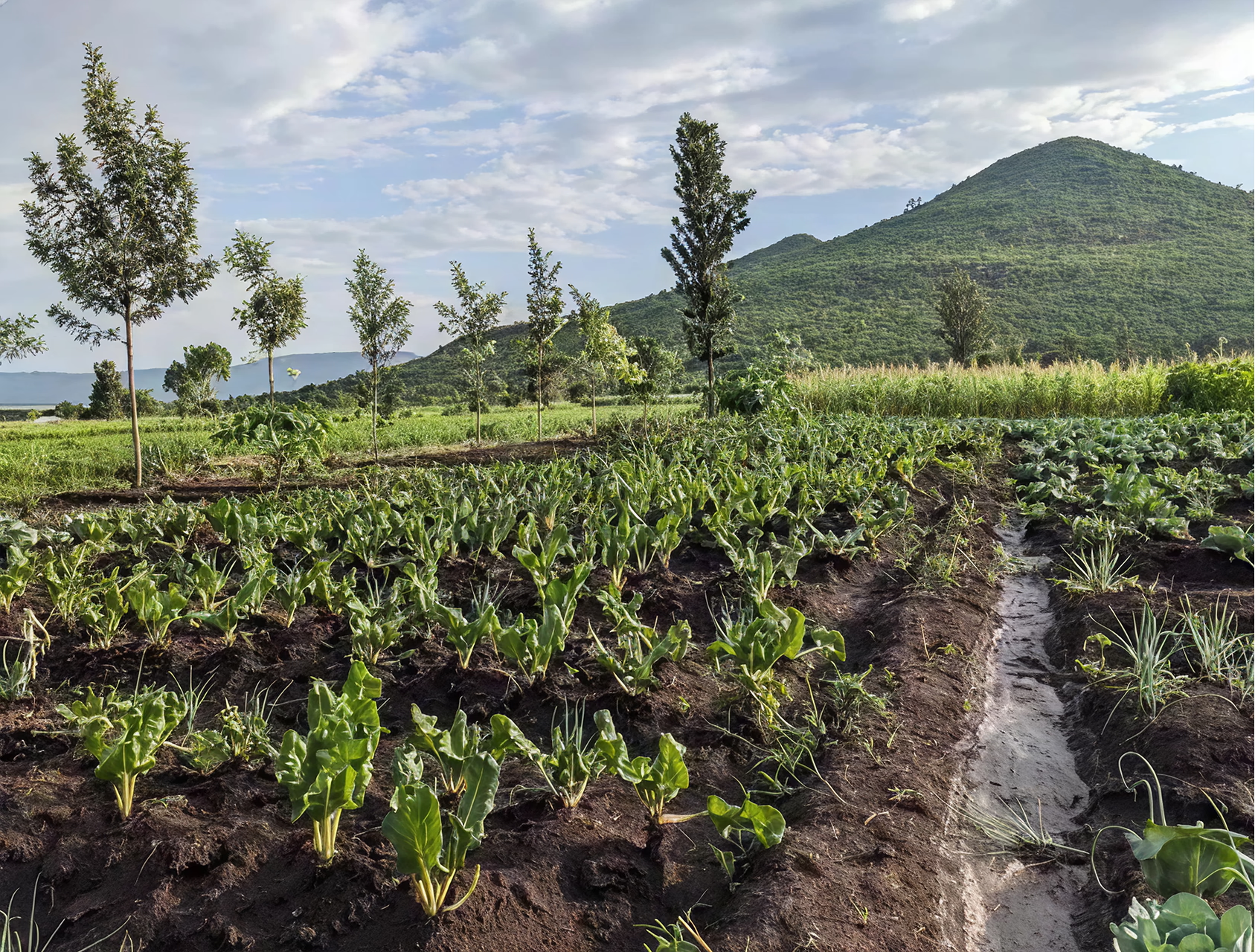
Large-scale agroforestry through TREES Forest Garden Approach of up to 50,000 hectares in the Lake Victoria watershed.

Project Location:
Lake Victoria, Tanzania
Primary Activity:
Multi-species Agroforestry System implementation
Species Planted:
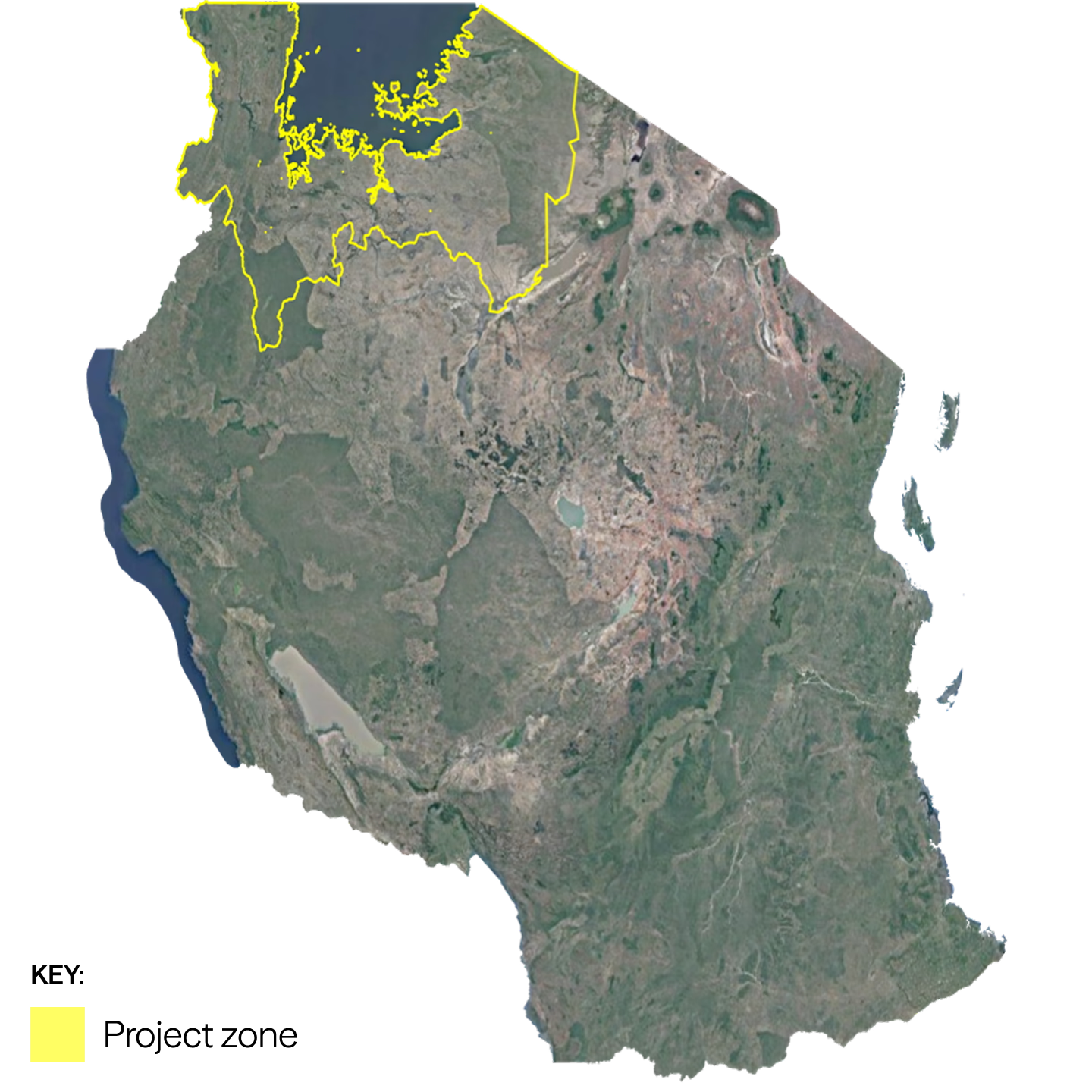
Project Zone:
Project Area:
Up to 50,000 hectares
Methodology:
VM0047

Core project principles:

In a region dominated by subsistence farming reliant on monoculture regimes, degradation of soils and biodiversity loss is being addressed in cooperation with small holder farmers using the TREES Forest Garden Approach. The new Lake Victoria, Tanzania project will build on TREES and Component Earth’s successful program in nearby Kenya, leveraging key infrastructure and lessons learnt.

Estimated Number of Forest Garden Species

22

Farmer Enrolment

Estimated project scale

~50k

Average increase in variety of food crops produced over 4 years in Tanzania Forest Gardens

Based on household surveys

85%

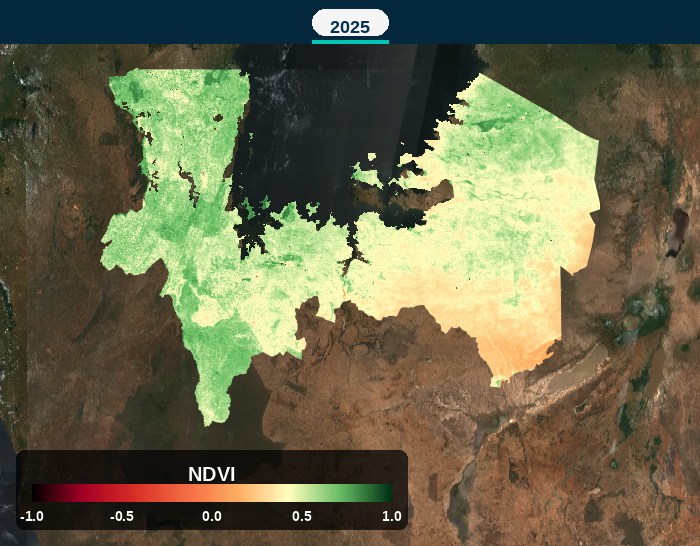
Visualizing Degradation

Historic degradation in Western Tanzania has been driven by conversion of non-cultivated land to agriculture, as well as logging and wood harvesting in forested areas.

The Normalized Difference Vegetation Index (NDVI) illustrates how vegetation health and density have evolved across the region. NDVI quantifies “vegetation greenness”, and low or negative values signal non-vegetated areas. The Alliance will target low NDVI areas.

Geita, Kagera, Mara, Mwanza, and Simiyu Regions, Tanzania